Ayahuasca Demystified: Science, Spirit, and Responsibility
Ayahuasca: Forbidden Fruit or Spiritual Elixir?
In the heart of the Amazon rainforest, Ayahuasca is not called a drug.
It’s called medicine.
Some Indigenous tribes refer to it as La Medicina, others as the Spirit Vine, and in modern science circles, it is sometimes referred to, as “the spirit molecule.”
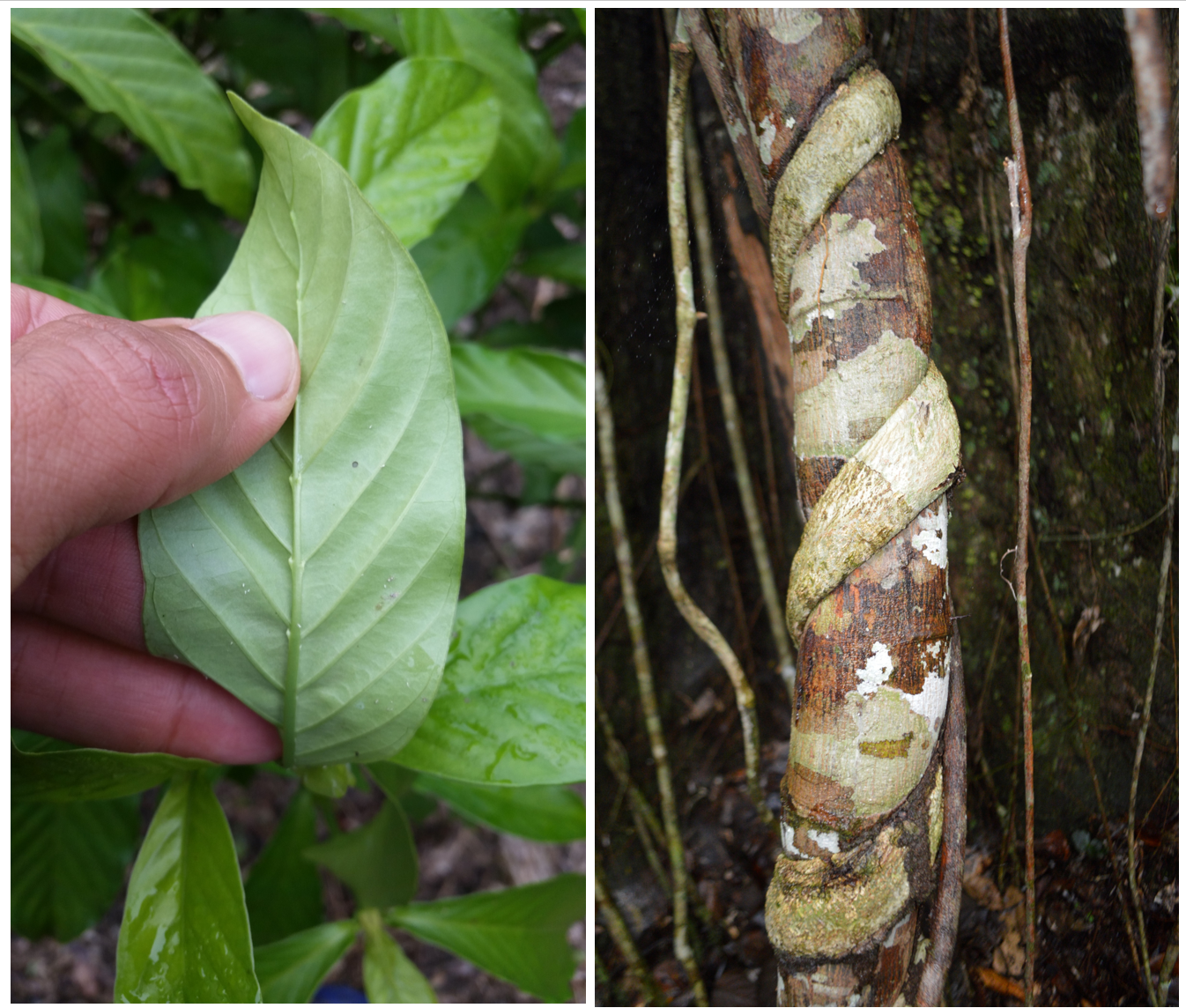
Ayahuasca is a sacred plant brew traditionally made from two main plants:
The Banisteriopsis caapi vine and the Psychotria viridis leaf.
The word Ayahuasca comes from the Quechua language:
Aya: spirit, soul, or ancestor
Huasca: vine or rope
Often translated poetically as “the vine of the soul” or “the vine of the dead.”
This “death” is not physical.
It is symbolic.
Like a snake shedding its skin, Ayahuasca is said to dissolve old layers of identity, outdated belief systems, emotional armor, unprocessed trauma, and patterns that no longer serve who we are becoming.
And that is precisely why it both fascinates and frightens people.
Why Are So Many People Talking About Ayahuasca Now?
Over the last two decades, interest in Ayahuasca has grown exponentially.
Global Google searches for Ayahuasca have increased over 400% since 2010
Retreat centers in Peru, Brazil, and Colombia now host tens of thousands of international participants annually
Clinical research into psychedelics (including Ayahuasca’s active compound, DMT) has surged, with over 300 peer-reviewed studies published since 2015
Why?
Because modern life is loud, fast, and deeply disconnected.
People are searching, not for escape.. but for meaning.
The Questions Everyone Asks (But Rarely Out Loud)
Before almost every journey, the same questions arise:
Is Ayahuasca a cure for depression?
Can it fix my marriage or relationship?
Will it help me find my life’s purpose?
Is this black magic?
Can I have a bad experience that I won’t come back from?
Am I opening myself up to dark or evil spirits?
These are not foolish questions.
They are responsible ones.
And the honest answer is this:
Ayahuasca is not a miracle cure.
It is not a shortcut.
And it is not for everyone.
What it can be, when approached with humility, preparation, and proper guidance, is a powerful mirror.
What Does Science Say?
Modern research is beginning to catch up with what Indigenous cultures have known for thousands of years. Studies suggest that Ayahuasca may support:
Reduced symptoms of depression and anxiety
Increased psychological flexibility
Long-term improvements in emotional regulation
Decreased addictive behaviors
A 2019 study published in Frontiers in Pharmacology found that over 70% of participants reported sustained improvements in well-being weeks and even months after a single ceremonial experience.
Another observational study of more than 1,000 participants showed:
Reduced depression scores by 40–60%
Increased life satisfaction and sense of meaning
No evidence of neurotoxicity or addiction potential
Importantly, Ayahuasca is non-addictive.
There is no physical dependency, tolerance buildup, or withdrawal syndrome.
But statistics never tell the whole story.
The Shadow Side: What Needs to Be Said Honestly
Yes ~ there can be difficult experiences.
Ayahuasca often brings suppressed emotions to the surface:
grief
anger
fear
shame
unresolved childhood wounds
This is why preparation, screening, and integration are essential.
Ayahuasca does not give you something new.
It reveals what is already inside you.
And for some, that can feel overwhelming without proper support.
This is also why set and setting matter deeply:
Who is serving the medicine
How the space is held
How participants are prepared
How insights are integrated afterward
Without these, even sacred tools can be misused.
Is Ayahuasca “Black Magic” or Spirit Work?
This question often arises from fear, or misunderstanding.
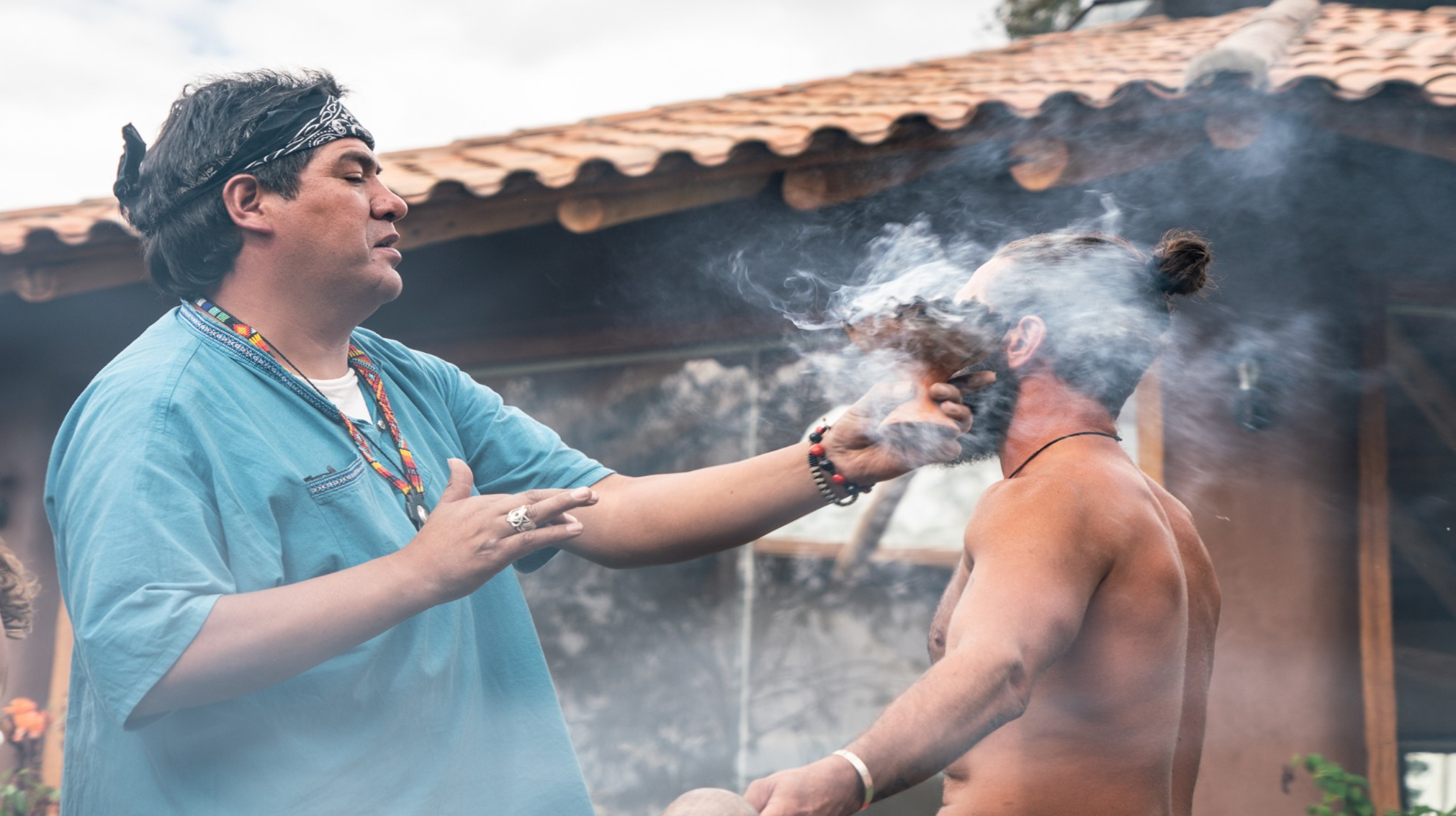
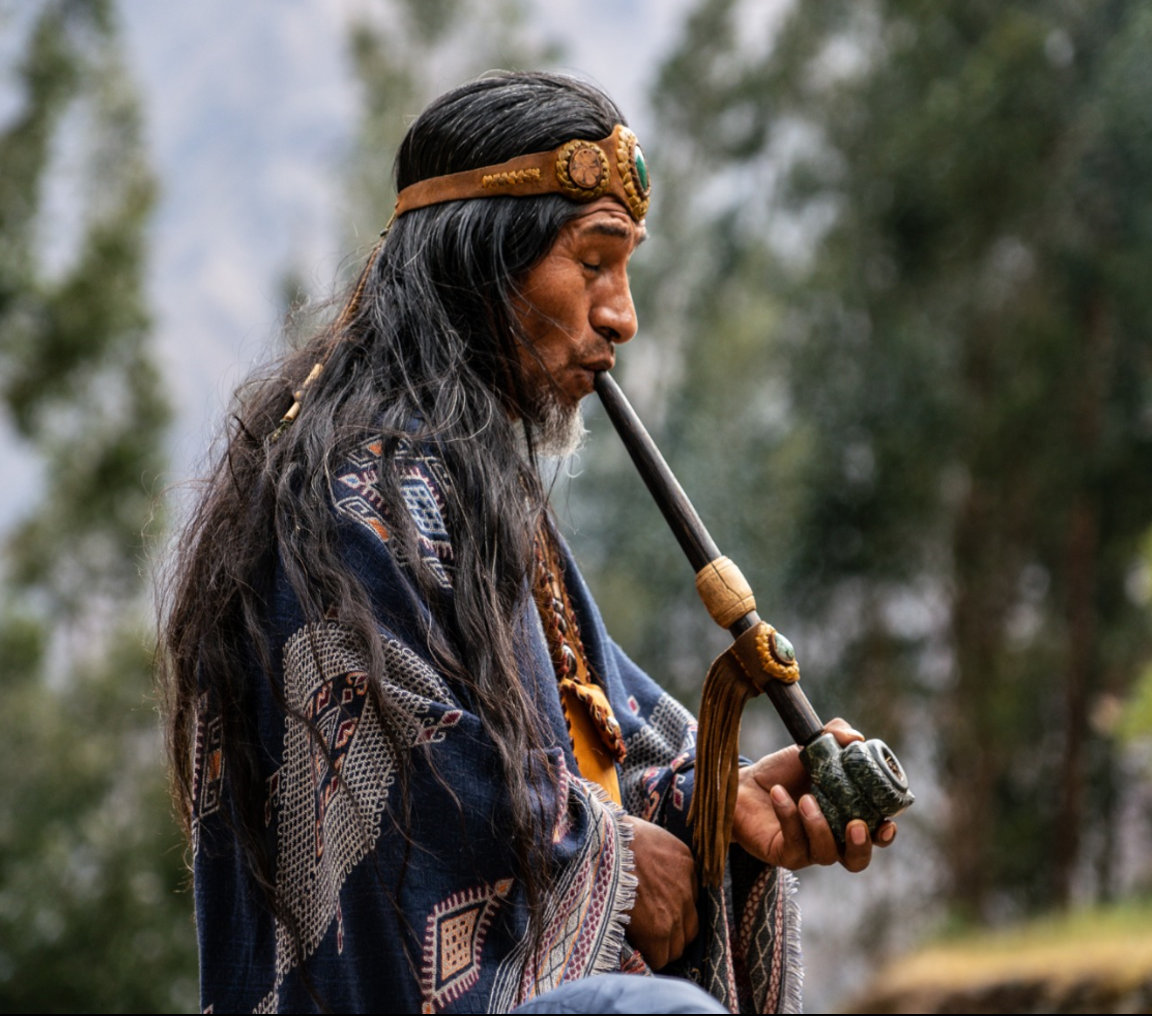
Ayahuasca ceremonies are rooted in animistic and shamanic traditions, where nature is alive, conscious, and relational.
For Indigenous healers, the plants are teachers, not substances.
The ceremony is prayerful, intentional, and deeply ethical.
Ayahuasca is not about calling spirits into you.
It is about listening to what is already speaking through you.
As Carl Jung once said:
“Until you make the unconscious conscious, it will direct your life—and you will call it fate.”
My Own Journey: From Plant Medicine to Breath
On my own path, I experienced these powerful teacher plants.
They showed me truth & humility. And then something unexpected happened.
I found breathwork.
Through conscious breathing, I realized that many of the same expanded states: clarity, emotional release, transcendence.. can be accessed without ingesting anything at all.
The breath became a bridge.
A daily, grounded, embodied practice.
This taught me something essential:
There is a time and a place for plant medicines.
And there is immense power in learning to meet yourself first ~ without them.
Where We Begin (And What We Always Recommend First)
Before working with Ayahuasca, we always recommend starting with:
Meditation
Breathwork
Silence
A Vipassana retreat or contemplative practice
Somatic awareness and nervous system regulation
These build the inner foundation.
Ayahuasca is not the beginning of the journey.
It is often a deepening of one already underway.
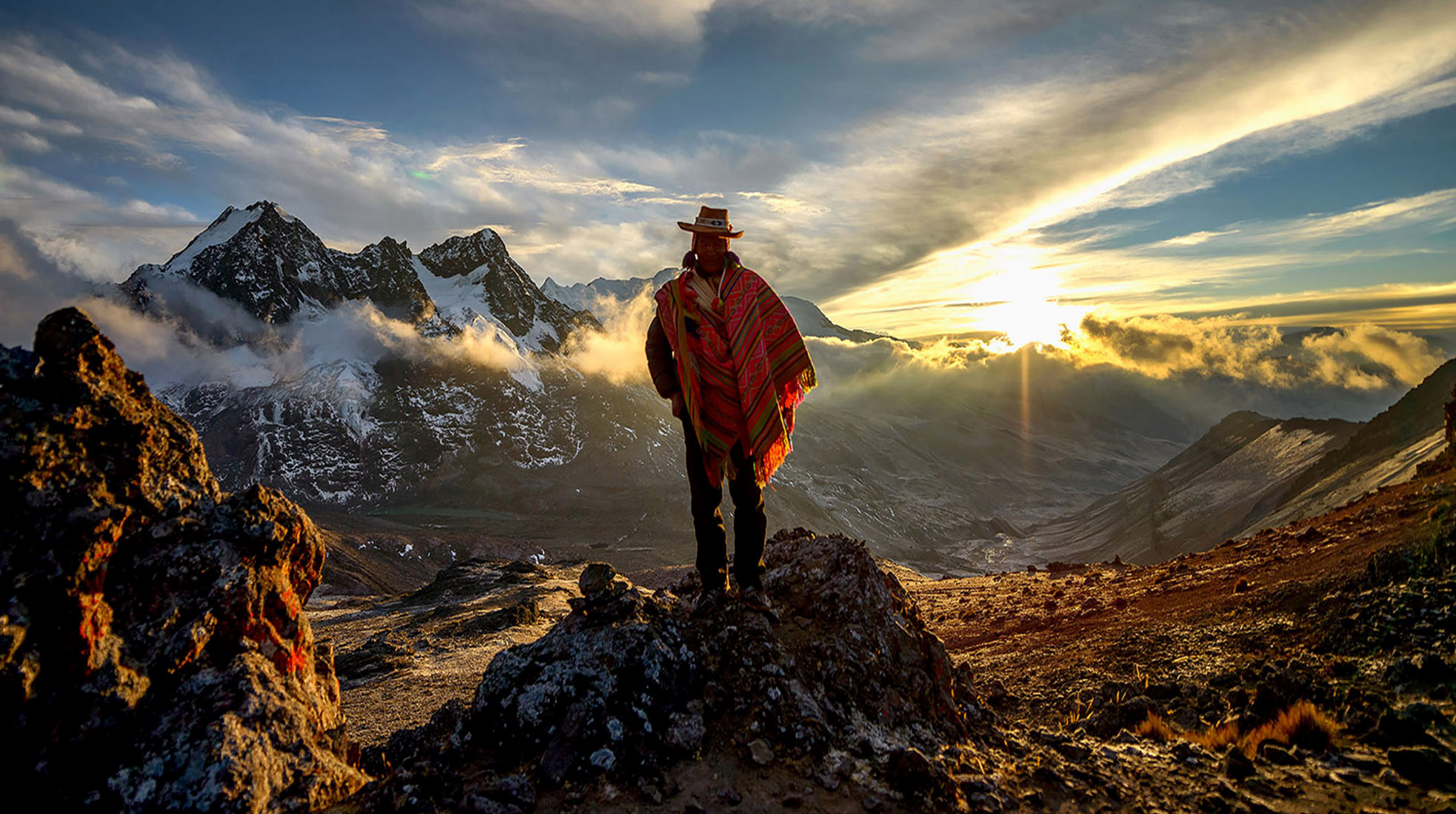
So… Who Is Ayahuasca For?
Ayahuasca may be supportive for those who:
Feel stuck despite years of inner work
Are ready to take radical responsibility for their healing
Are open, grounded, and emotionally resourced
Have done the preparatory work
Are willing to integrate .. not just experience
It is not about chasing visions.
It is about learning to live differently afterward.
Always Remember This
Ayahuasca is not the healer.
You are.
The medicine does not fix you.
It reminds you.
As the Amazonian saying goes:
“The vine does not heal.
It teaches you how to heal yourself.”
An Invitation
If you feel called, not curious, but called.. to learn more, ask questions, or explore whether this path is right for you, we invite you to reach out.
Our Journeys in Peru, where the medicine is grown and revered, are guided with deep respect, preparation, and integration support: before, during, and long after the ceremony.
No pressure.
No promises of miracles.
Just honesty, integrity, and a space to remember who you are.
Because the real journey… begins after the ceremony ends.